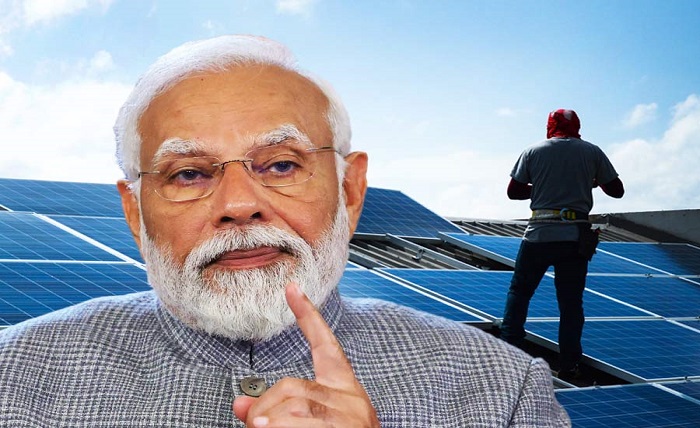
Introduction
Har Ghar Bijli is a transformative initiative focused on ensuring that every household receives reliable electricity access, and har ghar bijli represents a major step toward national development and inclusive growth. The concept of har ghar bijli is not just about lighting homes but about empowering people with opportunities for education, healthcare, and digital connectivity.
Har ghar bijli has become a symbol of progress in many developing regions where electricity was once a luxury. With the expansion of power infrastructure, har ghar bijli is helping bridge the gap between urban and rural living standards. Families now experience improved quality of life as har ghar bijli brings modern convenience into everyday routines.
In addition, har ghar bijli supports small businesses and local entrepreneurship by providing stable electricity for productivity. Overall, har ghar bijli is reshaping societies by making electricity a basic right rather than a privilege.
Importance of Har Ghar Bijli in Modern Society
Har ghar bijli plays a crucial role in modern society by ensuring equal access to energy resources for all citizens. Without har ghar bijli, rural communities often struggle with limited development opportunities and reduced quality of life.
Har ghar bijli supports education by enabling students to study at night and access digital learning tools. In healthcare, har ghar bijli ensures that hospitals and clinics can operate essential medical equipment without interruption.
Furthermore, har ghar bijli improves communication systems, allowing people to stay connected through mobile devices and the internet. Economic growth is also driven by har ghar bijli, as industries and small businesses depend on consistent power supply.
Ultimately, har ghar bijli strengthens the foundation of a balanced and progressive society.
Government Initiatives Supporting Har Ghar Bijli
Har ghar bijli has been made possible through strong government initiatives aimed at expanding rural electrification. Many national programs are designed specifically to achieve har ghar bijli by investing in infrastructure and renewable energy.
Har ghar bijli projects often include subsidies for low-income households, making electricity connections more affordable. Governments also focus on upgrading transmission networks to ensure that har ghar bijli reaches remote and underserved areas.
In addition, public-private partnerships play a significant role in accelerating har ghar bijli implementation. Renewable energy sources like solar power are also integrated into har ghar bijli programs to ensure sustainability.
Through these efforts, har ghar bijli is becoming a reality for millions of households worldwide.
Impact of Har Ghar Bijli on Rural Development
Har ghar bijli has a profound impact on rural development by improving living standards and economic opportunities. In villages, har ghar bijli enables farmers to use modern equipment for irrigation and agricultural productivity.
Har ghar bijli also supports rural education by powering schools and enabling digital classrooms. Children in rural areas benefit greatly from har ghar bijli as they gain access to online learning resources.
Healthcare services in rural regions improve significantly with har ghar bijli, as clinics can store medicines properly and operate medical devices. Additionally, har ghar bijli encourages small-scale industries and cottage businesses to grow in rural areas.
Overall, har ghar bijli reduces the gap between urban and rural development.
Challenges in Achieving Har Ghar Bijli
Despite its importance, har ghar bijli faces several challenges that slow down full implementation. One major issue is the high cost of infrastructure required for har ghar bijli in remote areas.
Har ghar bijli also faces difficulties related to power theft, technical losses, and maintenance issues in some regions. Geographic barriers such as mountains and forests make har ghar bijli expansion more complex.
In addition, financial constraints and policy delays can affect the speed of har ghar bijli projects. Some regions also struggle with inconsistent power supply even after har ghar bijli connections are provided.
Addressing these challenges is essential for ensuring the success of har ghar bijli initiatives.
Solutions and Technology for Har Ghar Bijli
Modern technology offers effective solutions to improve har ghar bijli implementation. Smart grids and digital monitoring systems help ensure efficient distribution under har ghar bijli programs.
Har ghar bijli can be strengthened through renewable energy sources such as solar panels and wind energy systems. These technologies reduce dependency on traditional power plants and support sustainable har ghar bijli development.
Energy storage systems like batteries also improve reliability in har ghar bijli networks by providing backup during outages. Governments and private companies are investing in innovation to enhance har ghar bijli efficiency.
With the help of technology, har ghar bijli is becoming more reliable, affordable, and sustainable.
Future of Har Ghar Bijli
The future of har ghar bijli looks promising as countries continue to prioritize universal electrification. In the coming years, har ghar bijli is expected to achieve 100% household coverage in many regions.
Har ghar bijli will increasingly rely on clean and renewable energy sources, reducing environmental impact. Smart homes and digital infrastructure will become more common as har ghar bijli expands.
In addition, har ghar bijli will play a key role in supporting electric vehicles and modern transportation systems. Economic growth will also accelerate as har ghar bijli improves productivity across sectors.
Overall, har ghar bijli will remain a foundation for sustainable development and technological progress.
Conclusion
Har ghar bijli is more than just an electrification program; it is a powerful driver of social and economic transformation. By ensuring that every household has access to electricity, har ghar bijli improves education, healthcare, and economic opportunities.
Har ghar bijli continues to reduce inequality between rural and urban areas while supporting sustainable development goals. With continued investment and innovation, har ghar bijli will shape a brighter and more connected future for all.
FAQs
1. What is Har Ghar Bijli?
Har ghar bijli is a national initiative aimed at providing electricity to every household, ensuring universal energy access and development.
2. Why is Har Ghar Bijli important?
Har ghar bijli is important because it improves education, healthcare, communication, and economic growth across communities.
3. How does Har Ghar Bijli help rural areas?
Har ghar bijli helps rural areas by providing electricity for farming, education, healthcare, and small businesses.
4. What are the challenges of Har Ghar Bijli?
Har ghar bijli faces challenges such as infrastructure costs, geographic barriers, and maintenance issues in remote regions.
5. What is the future of Har Ghar Bijli?
The future of har ghar bijli includes 100% electrification, renewable energy integration, and smart grid technology for better efficiency.