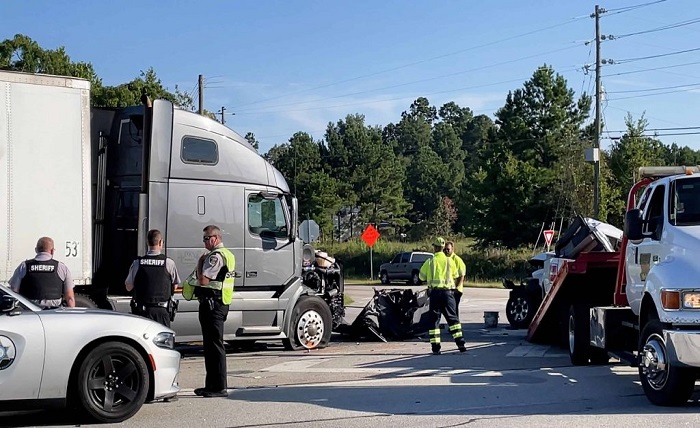
Nobody expects their Tuesday to end in a hospital. You’re driving. Music’s on. You’re thinking about dinner, a work deadline, picking up the kids. Then an 18-wheeler comes out of nowhere — and everything changes in about two seconds flat. What’s worse is finding out later that the crash wasn’t even about driver error. The truck’s brakes were shot. The tires were dangerously worn. Something that should’ve been caught during a routine inspection months ago just… wasn’t. And now you’re the one paying for it. That’s the reality of equipment failure crashes. And they happen more than anyone likes to admit.
Sometimes the Driver Did Everything Right
Weird as it sounds — yes, sometimes the driver is completely blameless. They weren’t speeding. They weren’t on their phones. They were just driving a truck that had no business being on the road. Federal regulations are pretty clear on this. Trucking companies have to maintain their fleets. Regular inspections. Timely repairs. Documented everything. When that process gets rushed or skipped altogether — usually to cut costs or meet delivery schedules — the results can be devastating. A good Houston personal injury lawyer will go straight for those records. Maintenance logs. Repair history. Pre-trip inspection checklists the driver was supposed to fill out. That paperwork tells the real story of what was known, what was ignored, and who let a dangerous vehicle leave the yard anyway.
What Actually Goes Wrong on These Trucks
Let’s talk specifics, because vague terms like “mechanical failure” don’t capture how serious this really is. Brake failure on a loaded commercial truck is genuinely terrifying. These rigs can weigh 80,000 pounds. When the brakes are compromised, stopping in time isn’t just difficult — it may be physically impossible. Tire blowouts at 65 miles per hour can throw a truck sideways before the driver even processes what happened. Faulty steering means the driver may want to correct course and simply can’t. Bad lighting makes the truck nearly invisible to drivers who need to react. And a failed trailer coupling? That’s a loose trailer on a busy freeway — a nightmare scenario for everyone nearby. Every single one of these failures has a paper trail. Somebody knew — or should’ve known.
More Than One Person Might Be Responsible
Here’s something that catches a lot of people off guard. Truck accident cases often involve multiple parties sharing liability — not just the driver, not just one company. The trucking company usually sits at the center of it. Their vehicle. Their maintenance schedule. Their responsibility. But if a component failed because it was defective from the factory, the manufacturer gets pulled in. If a repair shop signed off on work they didn’t actually perform, they share the blame too. Untangling all of that takes someone who’s done it before. The attorneys at Schechter, Shaffer & Harris, LLP – Accident & Injury Attorneys have spent years handling exactly these kinds of cases in Houston, Texas. They know how these companies operate. They’ve seen records get conveniently reorganized after crashes. They understand how insurance adjusters think — and they know how to counter it.
Move Faster Than You Think You Need To
This is the part nobody wants to hear when they’re still recovering from a crash. But it matters. Trucking companies don’t wait around. Their legal teams get moving almost immediately after an accident. The truck gets repaired or retired. Records get reviewed and sometimes quietly altered. Witnesses move on with their lives and their memories fade. Texas gives you two years to file a personal injury claim. Sounds comfortable — until you realize how quickly evidence can vanish in year one. The strongest cases get built close to the crash, when everything is still fresh and available. Calling a lawyer early isn’t about being litigious. It’s about making sure you still have options when you’re ready to use them.
What You’re Actually Entitled To
Equipment failure accidents cause real, lasting damage. Spinal injuries. Traumatic brain injuries. Broken bones that heal wrong. Burns. Losses that don’t just go away after a few weeks of rest. Compensation in these cases covers the full picture — medical bills now and down the road, income you couldn’t earn while recovering, the long-term hit to your earning potential, and the pain that doesn’t show up on any scan. For families who lost someone, wrongful death claims exist to acknowledge that some losses genuinely can’t be measured. Trucking companies have large insurance policies and experienced adjusters whose job is to pay out as little as possible. That’s just the truth. Going up against them without representation puts you at a real disadvantage from day one.
Questions People Actually Want Answered
- How do I know if equipment failure caused my crash?
Honestly, you probably won’t know for sure right away — and that’s okay. Clues to watch for include skid marks that suggest brakes weren’t working, tire debris scattered at the scene, and accounts from witnesses who saw the truck moving strangely before impact. Your attorney will bring in reconstruction experts and pull maintenance records to figure out the actual cause. That’s their job, not yours.
- Can I sue the trucking company directly?
Yes — and in many cases, more than one party shares responsibility. The trucking company, a parts manufacturer, a repair shop that cut corners. Your attorney will look at every angle and make sure no one responsible avoids being held accountable.
- What evidence actually matters here?
Maintenance logs, inspection reports, the black box from the truck, the driver’s pre-trip checklist, and post-accident inspection reports are the heavy hitters. Physical parts recovered from the scene can be just as important. Speed matters here because trucks get repaired or taken off the road fast — and once that happens, key evidence is simply gone.
- How long does one of these cases take?
It genuinely depends. Some cases settle in a matter of months. Others with more complex liability or severe injuries take longer. The one constant is that getting an attorney involved early almost always produces better results — regardless of how long the legal practice process ends up taking.
- What’s this going to cost me?
Nothing upfront. Schechter, Shaffer & Harris, LLP – Accident & Injury Attorneys works on a contingency basis — their fee comes from whatever they recover for you. No recovery, no fee. It’s designed that way so that a serious injury doesn’t become something only people with money can fight for.